






The Commons
Making Sense of Conservative Economics

Trump’s anti-bureaucracy energy should be directed at regulation as well as waste

It isn’t just about criminal punishments and presidential pardons

The old GOP dictated Trump’s Tax Cuts and Jobs Act. His new coalition should shape its future.

Latest Episode
Oren speaks on a panel about economic policy in Trump’s second term and more with Jason Furman, Richard Burkhauser, and Kimberly Clausing.
Our Latest
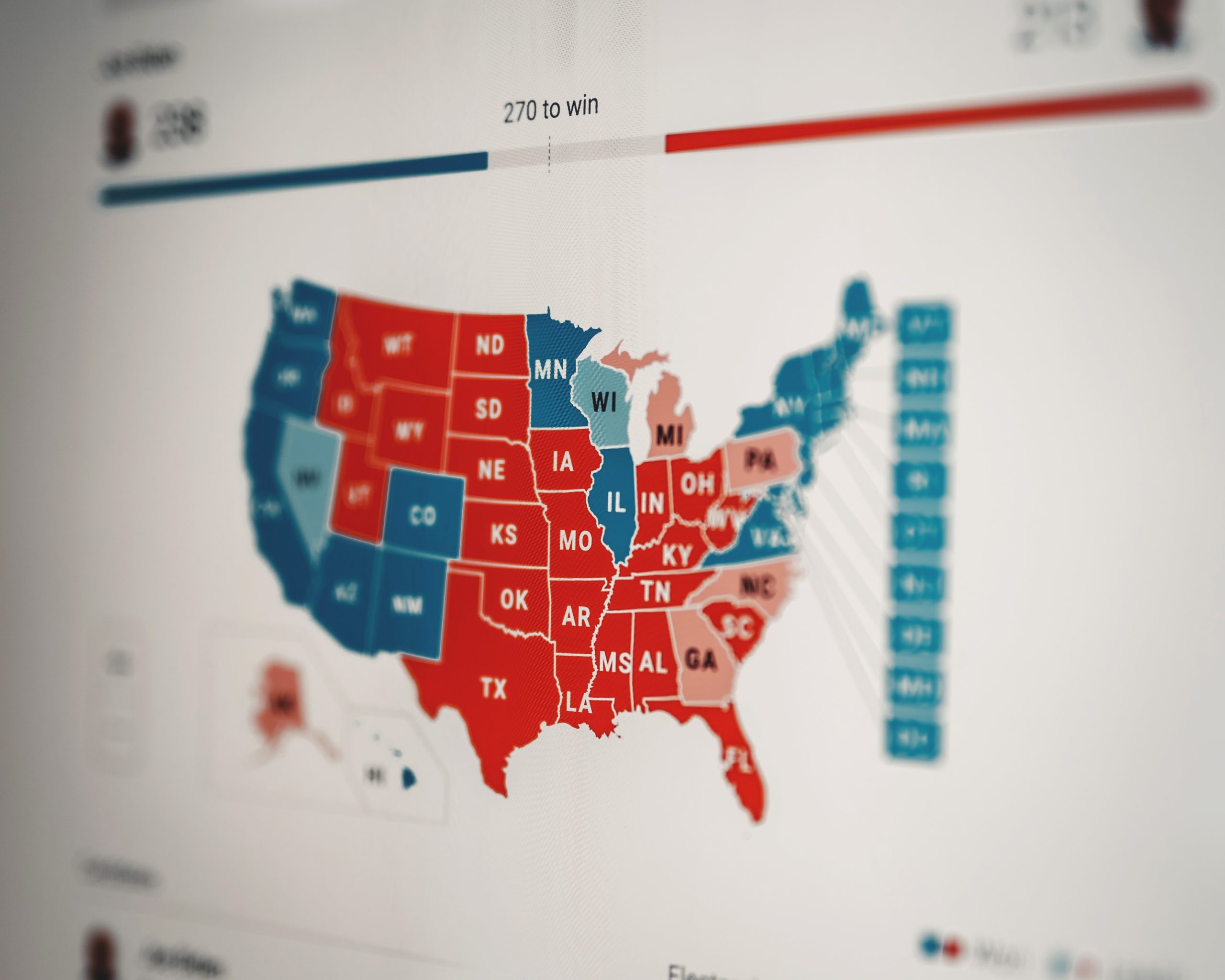
While Joe Biden will be the 46th President of the United States and Donald Trump will join the small club of incumbents who could not get re-elected, it’s fair to say that Biden’s triumph was not so overwhelming that it even begins to settle the question of which party will dominate the 2020s.

As large swaths of the country prepare to re-enter COVID-19 lockdowns—my current city of Denver, for instance, banned all indoor dining just last week—it is worth pausing to again lament the ham-fisted, blunderbuss nature of most of these virus-fighting measures.

Not many talking points survived November’s narratological cull. The assumption that high turnout would crush Republicans down ballot turned out to be false, with both parties seeing a groundswell of government-dividing, record-shattering support. The assurance that, this time, the pollsters knew what they were doing went from confident to quaint in the blink of an Read more…
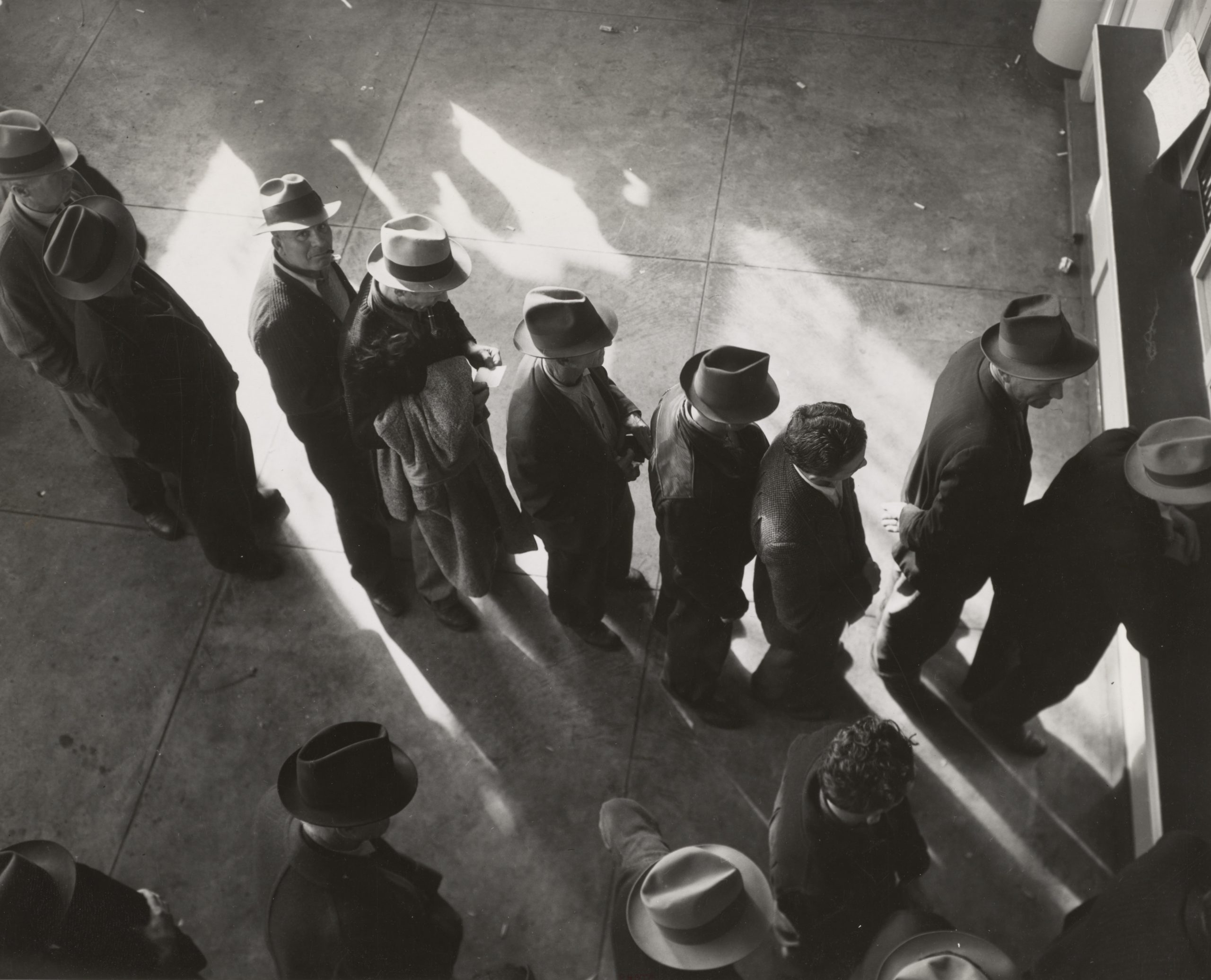
While the unemployment rate had fallen to 6.9 percent in October, the employment-population ratio was 3.7 percentage points lower than in February. 6.7 million workers were no longer looking for work and 3.6 million workers were unemployed for 27 weeks or more.

The CARES Act, intended to address the economic devastation caused by the COVID-19 pandemic, offers especially generous tax treatment for charitable contributions in 2020, to encourage giving in a time of such extraordinary need. Households can deduct contributions up to 100% of their income for the year, potentially eliminating their tax liability entirely.
