







The Commons
Making Sense of Conservative Economics

Trump’s anti-bureaucracy energy should be directed at regulation as well as waste

It isn’t just about criminal punishments and presidential pardons

The old GOP dictated Trump’s Tax Cuts and Jobs Act. His new coalition should shape its future.

Latest Episode
Oren speaks on a panel about economic policy in Trump’s second term and more with Jason Furman, Richard Burkhauser, and Kimberly Clausing.
Our Latest

In the 1972 presidential campaign, Richard Nixon’s leading theme was “law and order.” Traumatized by urban riots, student protests, and the first wave of what would be a historic increase in crime, voters handed him a historic victory. Nixon won 49 states and 60 percent of the popular vote.

On the most recent episode of Jonah Goldberg’s podcast, The Remnant, AEI director of economic policy studies Michael Strain delivers a harsh assessment of projects like American Compass.

The Chinese Communist Party’s efforts to eradicate the Uighur Muslim population in favor of the Han majority are horrifying. Programmatic abortions and sterilizations, slave labor, and “re-education” camps recall atrocities of the past. At the same time, the CCP’s ambitions for Hong Kong outrage westerners committed to liberty and the rule of law. And its record for the treatment of prisoners and religious dissidents is miserable.

Not without reason do China critics tend to observe a rival across the Pacific strong everywhere the US is weak, especially under the sway of coronavirus. For most on the Right, the focus of such criticism centers around ideology: if only the Chinese weren’t communist, we wouldn’t find ourselves in this mess. Some anti-communists take a more globalist bent (“true capitalistic democratization hasn’t been tried”), others a more nationalist one (“America must once again defeat an evil empire”).
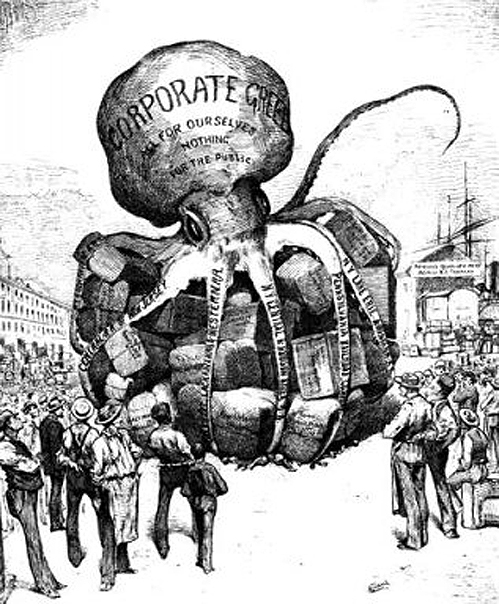
Over the last several decades a major shift has occurred in how many U.S. elites – pundits, advocates, policy makers, and others – think and talk about corporations. For much of the 20th century most elites viewed corporations as an institutional tool by which America could best achieve its most important economic goals: innovation and increasing living standards. To be sure, there would always the occasional Enron or Tyco scofflaw, but these were seen as the exception, to be prosecuted and shunned.
