







The Commons
Making Sense of Conservative Economics

Trump’s anti-bureaucracy energy should be directed at regulation as well as waste

It isn’t just about criminal punishments and presidential pardons

The old GOP dictated Trump’s Tax Cuts and Jobs Act. His new coalition should shape its future.

Latest Episode
Oren speaks on a panel about economic policy in Trump’s second term and more with Jason Furman, Richard Burkhauser, and Kimberly Clausing.
Our Latest

From my ten years documenting the poverty, pain, and frustration of lower-income communities it is easy to conclude that the American Dream is dead for the working class. There is one big exception though: Newer immigrants, who despite poverty, are still optimistic.
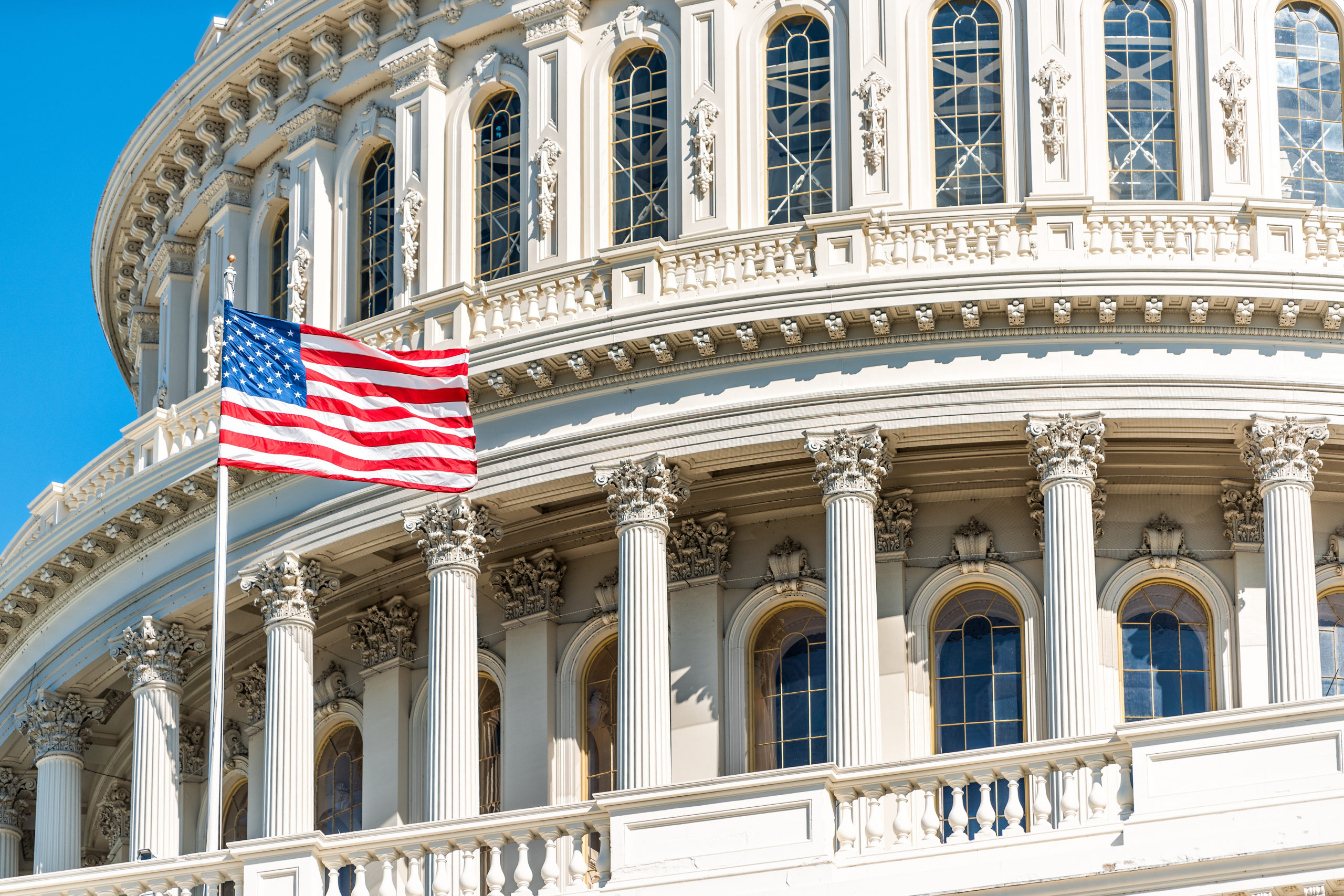
With surging COVID-19 cases in many parts of the country and a widely available vaccine months away—and with consumer and investor confidence and spending likely to be weak even with a vaccine—the odds are quite high that economic recovery will be long, drawn-out, and weak. As such, Congress is rightly debating a fifth economic recovery package.
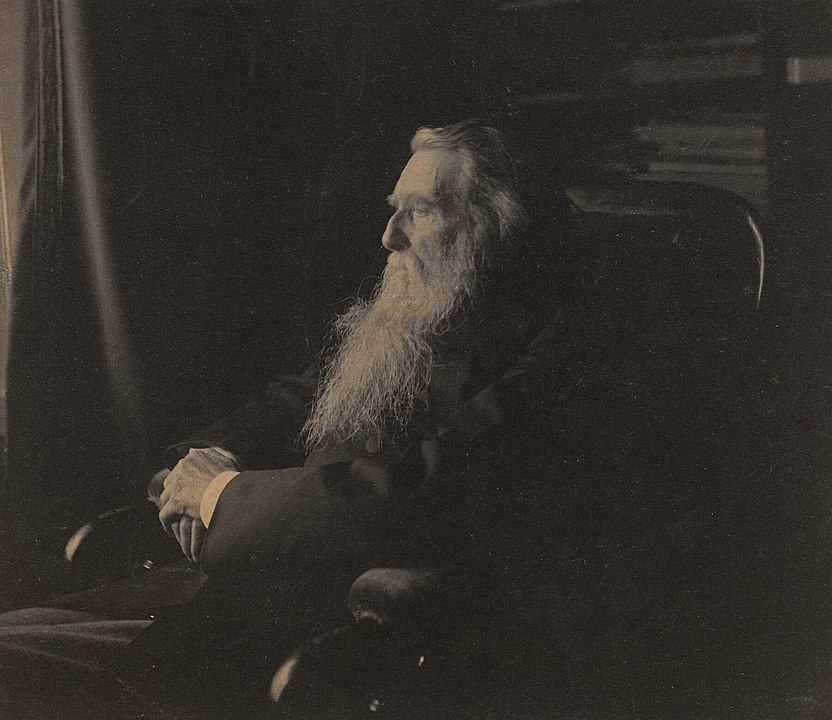
As we seek a realignment in American political economy we would do well to rediscover the thought of a 19th-century critic who did not like us very much. John Ruskin (1819–1900) found Americans obsessed with a liberty he considered license and naively committed to an ideal of equality he believed impossible: “also, as a nation, they are wholly undesirous of Rest, and incapable of it.” In her utilitarian preoccupation with commercial ventures, America had inherited Montaigne’s English vice of inquietude and seemed unlikely to recover.

In his latest contribution to our ongoing debate over social insurance and conservatism, Oren Cass clarifies some of our points of disagreement. One of them concerns the meaning and nature of “social insurance” itself. Another is whether certain proposals are sufficiently “conservative.”

The debate about Big Tech often breaks down into one of whether or not a private company should be “regulated.” This is especially true as attention heats up around the use of antitrust enforcement — substantively, definitionally, and applicably different than regulation, though in argument one side attempts to conflate them.
