




Why It Will Be So Hard to Roll Back Trump’s Trade Agenda
Henry Olsen highlights American Compass’s conversation with former U.S. Trade Representative Robert E. Lighthizer in a discussion of the future of American trade policy.
Count Germany as the latest country to abandon the market fundamentalism that has characterized economic policymaking in the West for the past 40 years.
Former U.S. Trade Representative Ambassador Robert E. Lighthizer joins American Compass executive director Oren Cass for a conversation about trade policy, in his first interview since leaving the administration.
Immigration expansionists face a difficult challenge: they support high levels of immigration—including many more less-skilled immigrants—for a variety of legitimate reasons, but the less-skilled immigration has detrimental economic effects on Read more…
We watched the Inauguration on a laptop at our kitchen table while two toddlers nibbled chicken quesadillas and the baby fussed intermittently.
The great moral philosopher Adam Smith is often considered the founding father of the discipline of economics. Like many of today’s economists, his goals include both understanding how and why markets function as they do and making vivid the many potential advantages of markets over alternative ways of organizing economic life.
Being called a “socialist” by George Will in the Washington Post was already a professional highlight. So I was thrilled for the opportunity to talk with him about the future of conservatism. Clearly, we would have a lot to discuss.
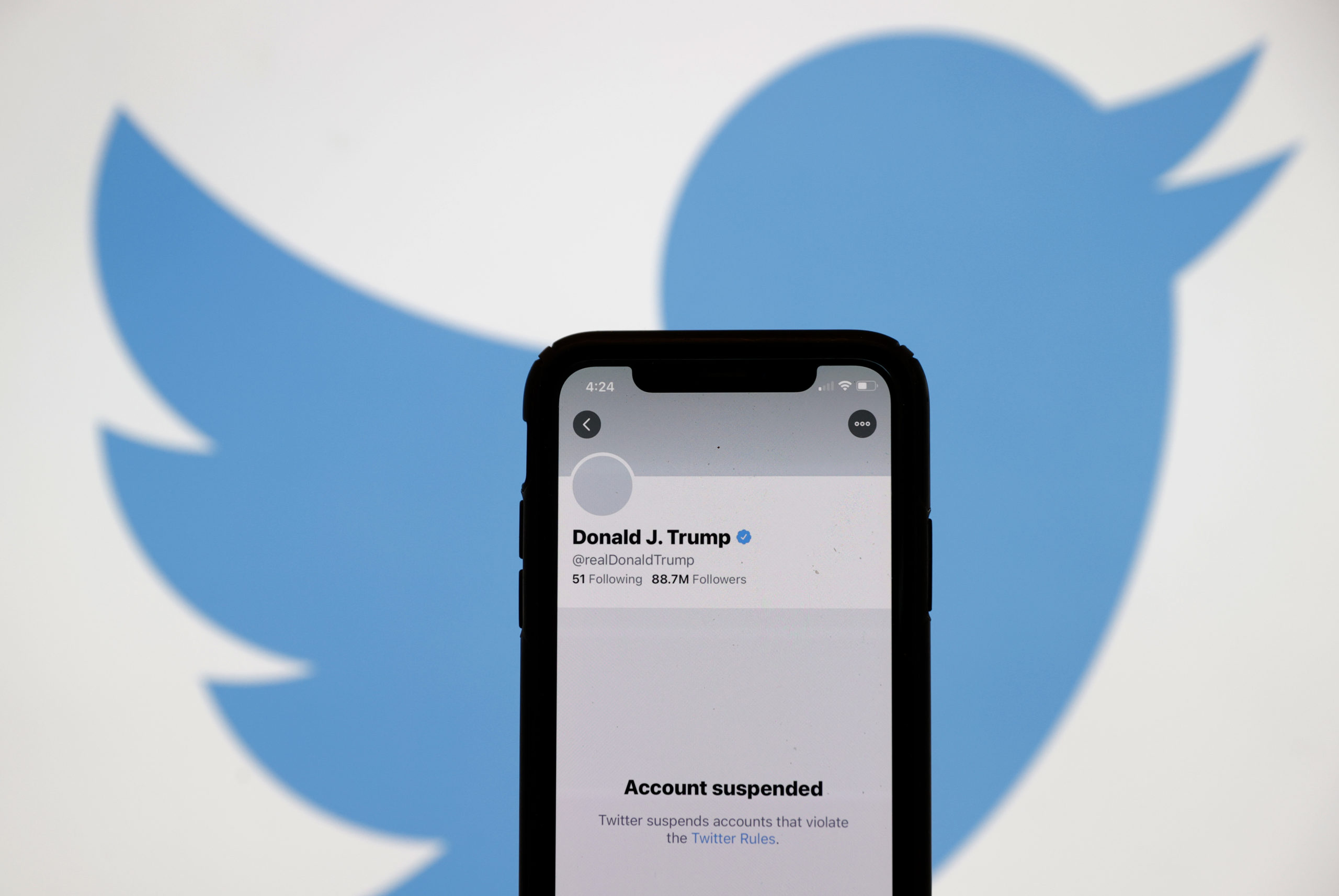
Our present predicament, characterized as it by an emboldened and rapacious post-U.S. Capitol siege Big Tech edifice all too eager to dutifully serve as a repressive ruling class appendage, was perfectly encapsulated on Friday by two of my Commons co-bloggers.
Far from being on a censorship slipper-slope, Big Tech will soon lose their ability to confine our interactions altogether.
WSJ executive Washington editor Gerald Seib discusses the future of the conservative movement post-Trump, highlighting American Compass’s work on evaluating the Trump term.
At the Soho Forum, American Compass’s Oren Cass and Cato Institute’s Scott Lincicome debate whether the U.S. should adopt an industrial policy.
The COVID-19 pandemic presents an existential conundrum to the structure and principle of employer-based health care and its various supporters and dependents. The loss of a job often cuts off access to health care, adding greater weight to the challenges of dealing with this public health crisis.
After years of dismissing the rise of critical theory-inspired identity politics, many conservatives have become “woke” to just how divisive this movement is. The problem, however, is that some free market fundamentalists see both radical intersectionalists and Hamiltonian supporters of national developmentalism as desecrators of the Founding Father’s principles.
Parler, the alternative to Twitter, is being strangled by the tech giants. Apple and Google removed the app from their app stores. Amazon removed the company from its web-hosting service. These companies claim these actions serve the public interest.
January 6 was a catastrophe for America. An angry mob, spurred on by the president, some carrying confederate flags, ransacked the Capitol during a joint session of Congress.
The quite clearly collusive actions of the Big Tech giants, in recent days, accelerate even further the national reckoning that has been overdue at least since Big Tech’s coordinated “Pearl Harbor attack” against the nation’s fourth-largest newspaper on the precipice of the monumental recent presidential election.
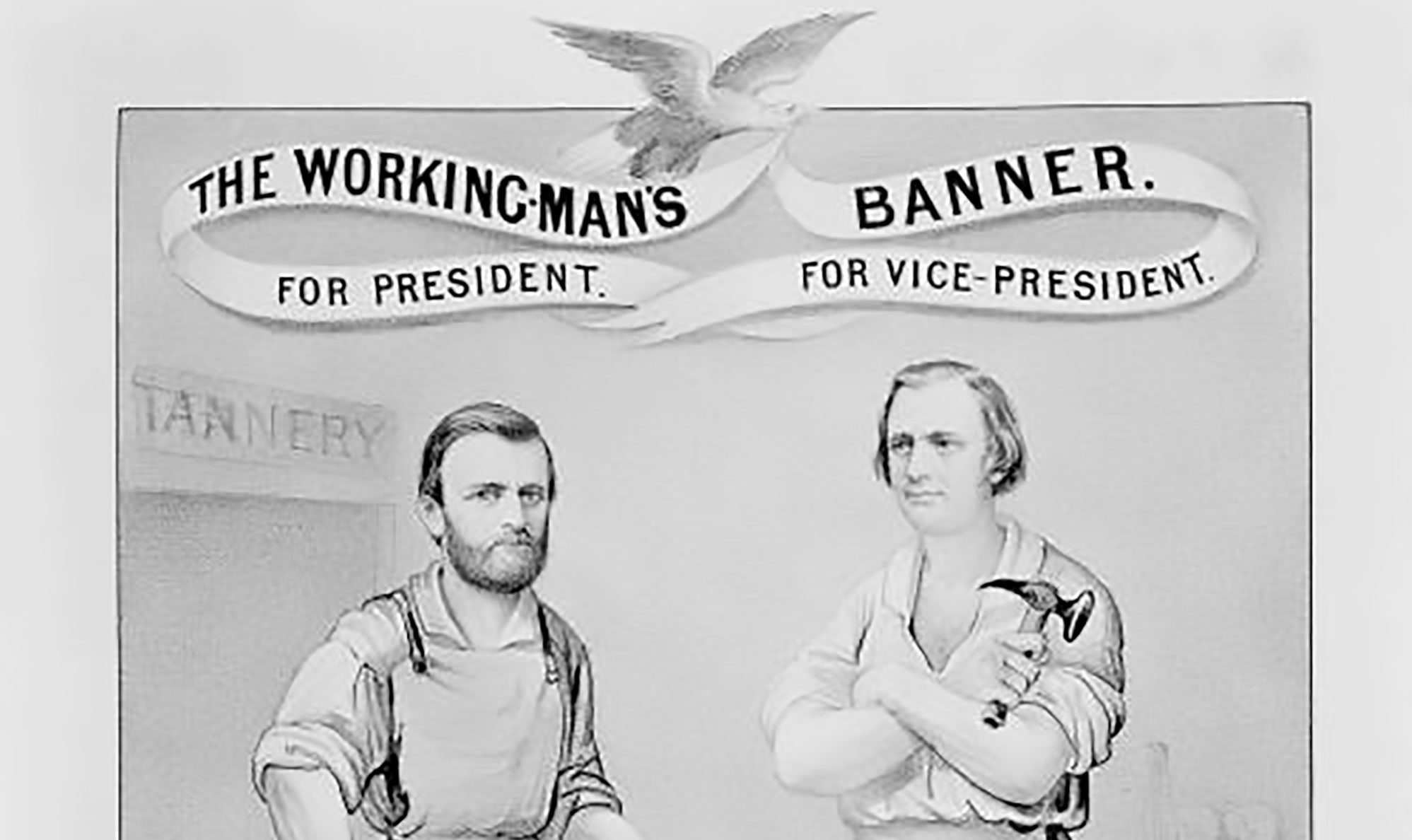
In 2020 Donald Trump won 40 percent of voters who live in a household with at least one member in a labor union, slightly fewer than the 42 percent of union households who voted for him in 2016. With the exception of Hillary Clinton, Joe Biden won fewer union households than any recent Democratic presidential candidate.
Marshall Auerback discusses how a principled populism that addresses working-class interests could emerge in the GOP.
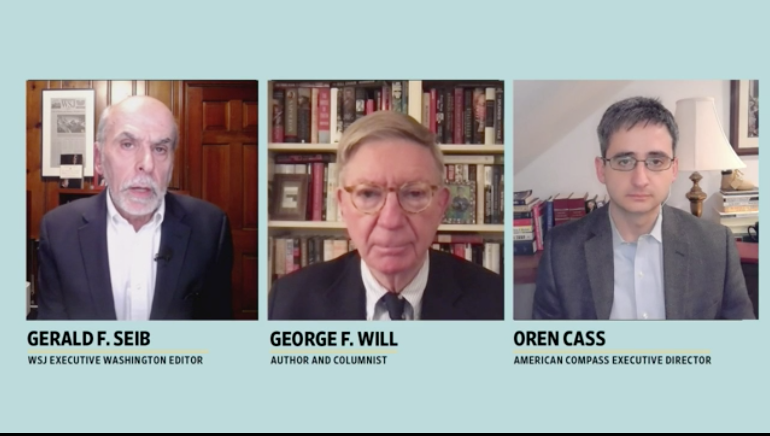
American Compass’s Oren Cass, WSJ’s Gerald F. Seib, and author George F. Will discuss the future of the conservative movement, co-hosted with the Wall Street Journal.
The American Revolution was in many ways inspired by the scientific one. But this says at least as much about science as it does about America—and as vaccine-related controversies renew calls to “listen to scientists,” it’s worth considering how the philosophy of science parallels the philosophy of the Founders, and what those parallels suggest about the nature of scientific authority.
Join our mailing list to receive our latest research, news, and commentary.