







The Commons
Making Sense of Conservative Economics

Trump’s anti-bureaucracy energy should be directed at regulation as well as waste

It isn’t just about criminal punishments and presidential pardons

The old GOP dictated Trump’s Tax Cuts and Jobs Act. His new coalition should shape its future.

Latest Episode
Oren speaks on a panel about economic policy in Trump’s second term and more with Jason Furman, Richard Burkhauser, and Kimberly Clausing.
Our Latest
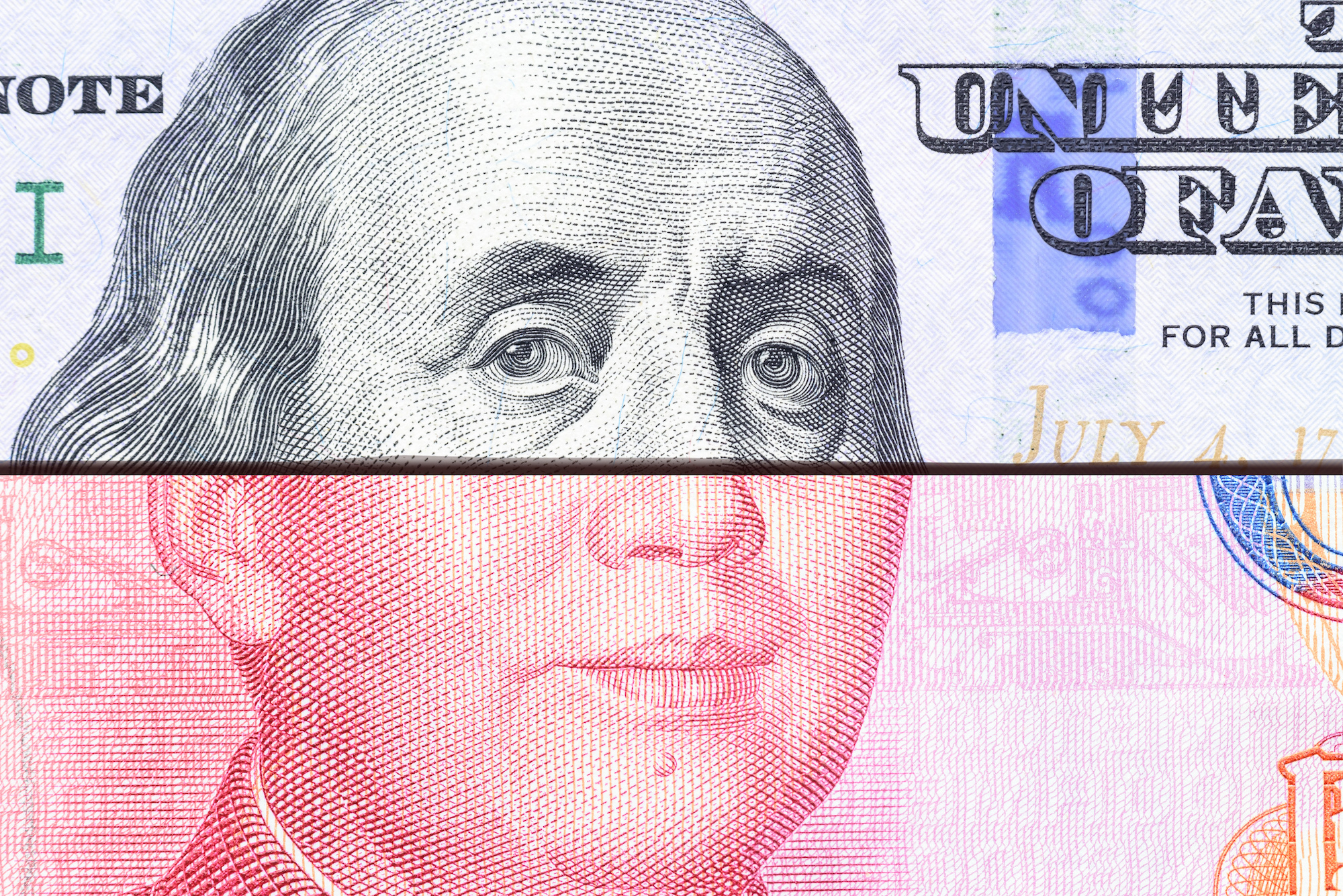
Oren Cass’s essay demonstrates how the advantages of industrial policy, apparent to some of the founders of economics and foundational to the success of the United States, were carefully airbrushed out by advocates of free trade in the 20th century.

Oren Cass takes on the entrenched belief held by the U.S. economics profession that countries should always pursue a policy of free trade. He argues that Smith and Ricardo have been misunderstood for generations because their key assumptions around capital mobility were omitted as the arguments were passed down.

Economic theorists treat globalization as the free market’s natural end state. But trade practitioners know that the opposite is true—that efforts at stitching together the world’s economies are among the messiest sausage-making exercises in policymaking.

The debate over free trade versus protectionism has been around for hundreds of years, with a level of political prominence that has varied over time. After a relatively quiet period in the post-war era, the modern debate over trade and globalization’s rules and institutions has grown quite contentious.

The first part of Mr. Cass’s argument is that the entire economics profession has either misread or misinterpreted a sentence in Adam Smith’s An Inquiry into the Nature and Causes of the Wealth of Nations, and that it has built the case for free trade from that alleged misreading or misrepresentation. This is simply and fundamentally not true.
