



Browse our library

Search and filter below to explore our library of research, essays, commentary, and more.

  • Choose Issue(s)

  • Choose Type(s)

Results
Is Washington the Next Detroit?

Our latest Compass Point is by James M. Roberts, long-time research fellow at the Heritage Foundation and co-editor of their Index of Economic Freedom, reflecting on his experience in the conservative establishment and the perils of a political movement running on autopilot.


Taking the Right Off Autopilot

Fusionist think tanks established strong brands and large payrolls, and if the donors would keep giving, then the Cold War hawks would find new wars to start, the supply-siders new taxes to cut. They are still doing it today.

Wells King Laments the Decline and Fall of NASCAR

American Compass research director Wells King joins Dan Proft and Amy Jacobson to discuss his essay on the decline of NASCAR.

The Market’s Border Crisis

American Compass executive director Oren Cass makes the case that revitalizing the American industrial base requires moving beyond globalization.

The Decline and Fall of NASCAR

America’s most Southern sport has betrayed its own fan base, writes American Compass’s Wells King in this cover story.

To Help Children, Democrats Are Going to Have to Reach Across the Aisle

The Niskanen Center’s Samuel Hammond discusses the potential for a bipartisan bill to support families with children, highlighting American Compass’s Fisc proposal.

From Amazon to Starbucks, Workers Caught Between Big Business & Big Labor Need Support

Emily Jashinsky features Wells King’s analysis of the Amazon union vote on Staten Island in a discussion of the difficulties facing workers organizing today.

The Workforce Training Grant

Public policy should recognize that employers, not universities, often provide the most socially valuable form of training and should redirect public resources accordingly.

Why the Economists Are Losing

The basic quandary for economists in this debate is that they stake their claims to expertise and deference on their field’s purported rigor, but they can uphold their own standards only under artificial conditions inapplicable to policymaking. As a result, their work’s defensibility bears an inverse relationship to its relevance.

What Conservative Critics of Globalization Miss

It is hard, nay impossible, to find a more sophisticated conservative critique of globalization than that articulated by Oren Cass. Perhaps because Cass was once a card-carrying member of the economic establishment himself, he has an exceptionally clear sense of some of the problematic assumptions that have underpinned that establishment’s high level of support for globalization over the past three decades.

Globalists Finally See Reality

When the former high priests of globalization admit it’s not working, the time has come not only to ask why they’ve changed their minds, but also why they were so wrong for so long. Oren Cass’s exposé of the abuses of classical economic theory offers a valuable starting point. But the problems lie even deeper and extend much further.

Big Business and Conservatives Are Headed for Divorce

In a discussion of the changing conservative approach to big business, Adrian Wooldridge highlights American Compass’s work on globalization and labor.

How to Bound the American Market

In his essay, Oren Cass correctly argues that a well-functioning capitalist system requires a “bounded market” within a nation-state that imposes interdependence on labor, capital, and consumers. Frictionless capital mobility across borders, in contrast, decouples the interests of investors from their country and their workers.

Did Globalization Cause the Great Stagnation?

Analyzing the effects of any long-run macroeconomic trend is admittedly a difficult affair. After all, typically more than one big trend is happening at a time, which means that isolating the impact of any particular force requires careful and thoughtful empirical analysis.

Globalization: America’s Biggest Bipartisan Mistake

American Compass research director Wells King explores the history of the Uniparty’s push for globalization at all costs and the fallacies undergirding their arguments.

Why the Free Trade Debate Needs the Real Adam Smith

Oren Cass is right to note that modern economists largely misunderstand Adam Smith. But the misunderstanding runs deeper and traces even further back than editorializing in 20th-century textbooks. For more than two centuries, scholars have ignored the relationship between Smith’s political philosophy and economic analysis.

It’s Time for a Neoclassical Economic Reckoning

Oren Cass’s essay demonstrates how the advantages of industrial policy, apparent to some of the founders of economics and foundational to the success of the United States, were carefully airbrushed out by advocates of free trade in the 20th century.

Freer Trade Isn’t Always Better

Oren Cass takes on the entrenched belief held by the U.S. economics profession that countries should always pursue a policy of free trade. He argues that Smith and Ricardo have been misunderstood for generations because their key assumptions around capital mobility were omitted as the arguments were passed down.

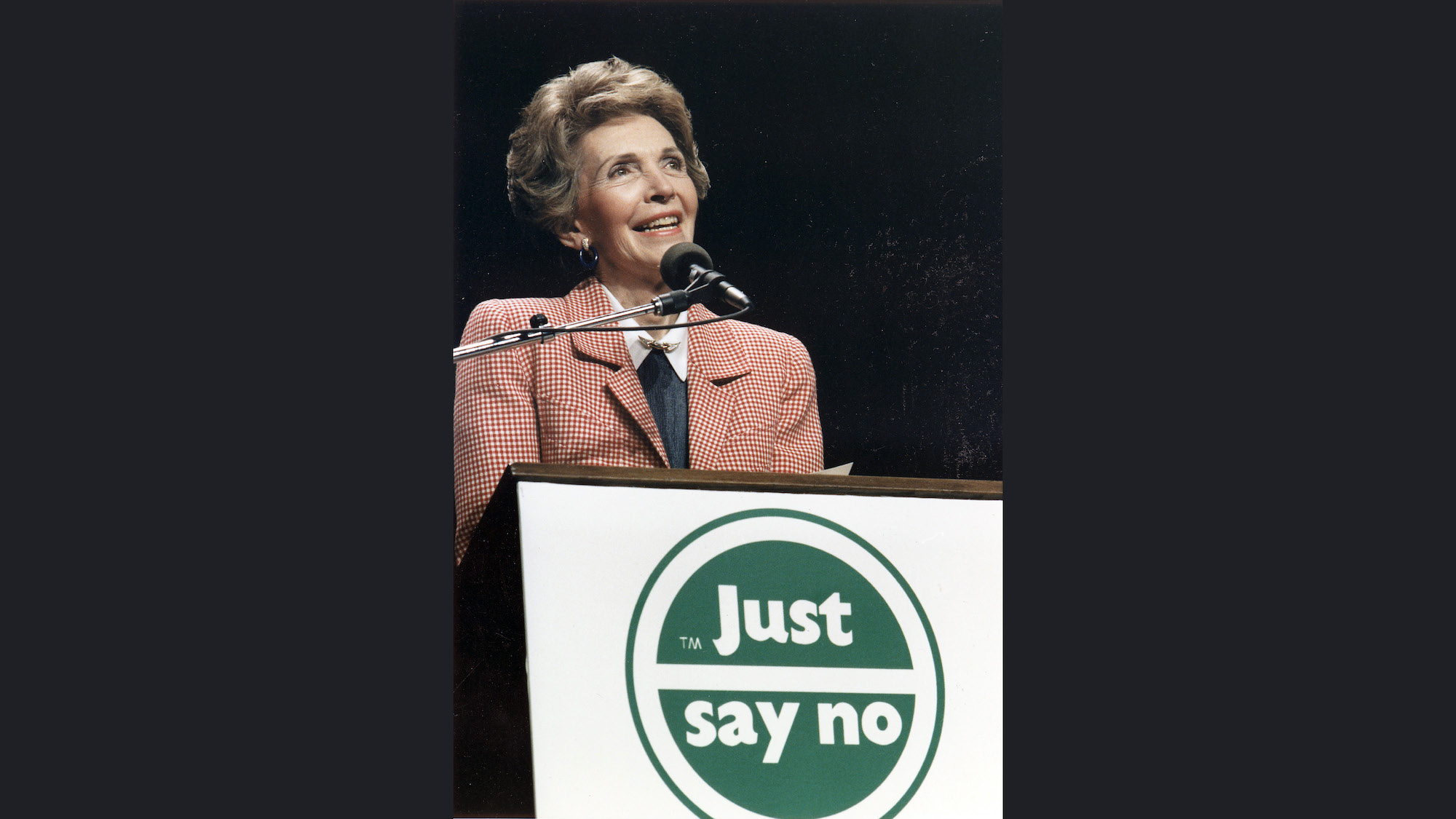
Just Say No to Rejoining TPP

Economic theorists treat globalization as the free market’s natural end state. But trade practitioners know that the opposite is true—that efforts at stitching together the world’s economies are among the messiest sausage-making exercises in policymaking.

America Should Use Existing Tools, Not Fashion New Ones

The debate over free trade versus protectionism has been around for hundreds of years, with a level of political prominence that has varied over time. After a relatively quiet period in the post-war era, the modern debate over trade and globalization’s rules and institutions has grown quite contentious.

applearrow-cardsarrow-sharearrowcaret-downcloseemailfacebook-squarefacebookfooter-imggoogle-podcasts-clearhamburgerinstagram-squarelinkedin-squarelinkedinpauseplayprintspotifystitchertriangletwitter-squaretwitter